
When a Nursing Home Fails to Provide Proper Care to Residents in Muskegon, MI
What Families Can Do When a Nursing Home Fails to Provide Care
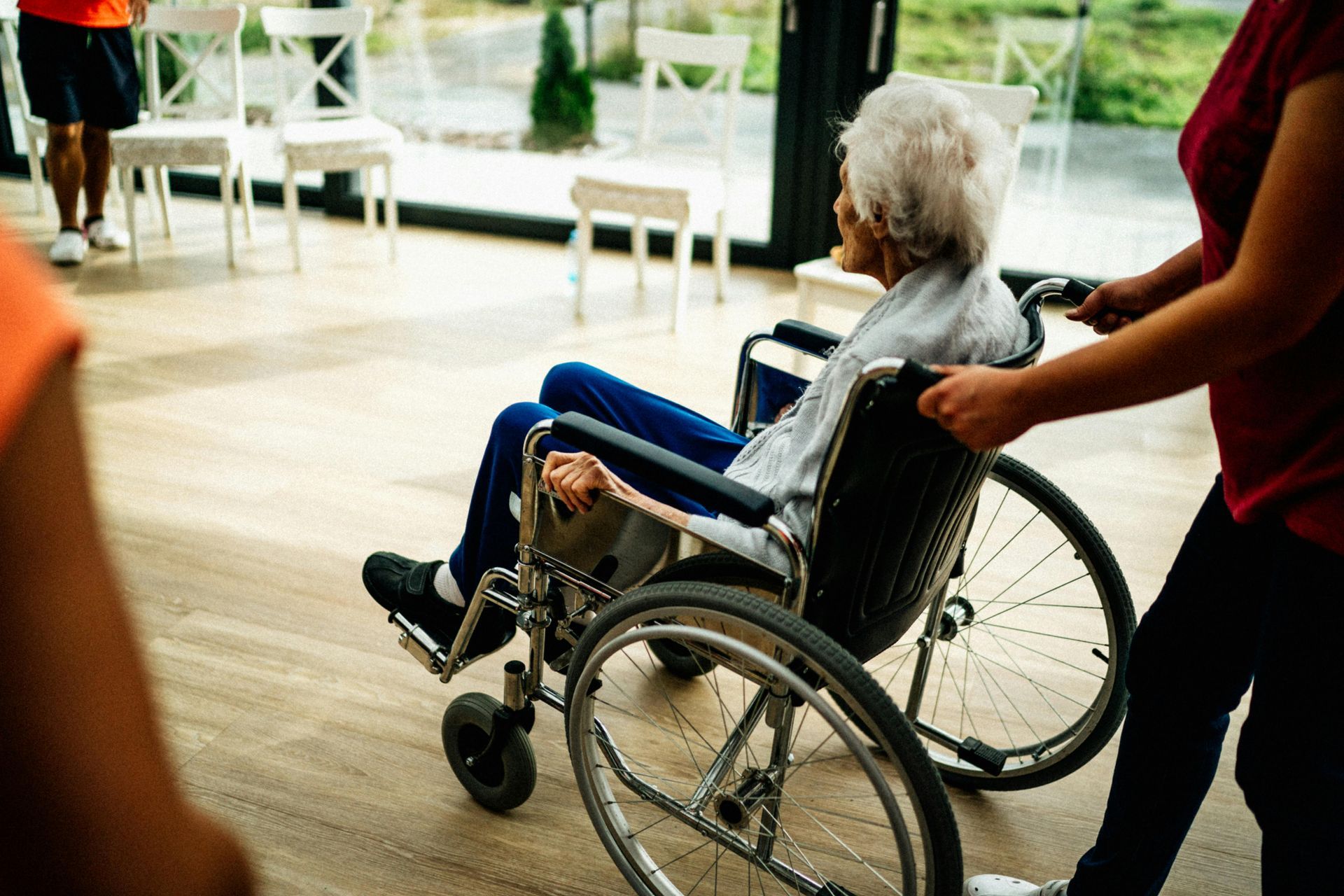
Families trust nursing homes to provide safe, attentive, and compassionate care for their loved ones. When a resident moves into a nursing home, the facility and its staff are responsible for meeting that resident's daily needs, monitoring health concerns, preventing avoidable injuries, and responding when something goes wrong. Unfortunately, when proper care is not provided, residents may suffer serious harm.
Nursing home neglect can take many forms. It may involve missed medications, untreated wounds, poor hygiene, malnutrition, dehydration, falls, lack of supervision, or failure to respond to a resident's changing medical condition. In some cases, what begins as a small concern can become a much larger health issue when staff members fail to act.
If you believe a loved one has been harmed due to poor care in a nursing home, it is important to understand what may have happened and what steps your family can take next. The Law Office of David E. Waterstradt provides elder law, estate planning, Medicaid planning, nursing home planning, and nursing home negligence services from its Muskegon office.
Common Ways Nursing Homes Fail to Provide Adequate Care
Nursing homes are expected to provide consistent care, supervision, and support. When staff members fail to meet those responsibilities, residents may suffer injuries, illness, emotional distress, or a decline in overall health.
Allowing a Resident to Fall
Falls are one of the most common and serious concerns in nursing home facilities. Many residents are at a higher risk of falling due to age, medication side effects, mobility issues, memory problems, or medical conditions. When a facility knows a resident is at risk, staff should take reasonable steps to reduce that risk. This may include proper supervision, assistance getting in and out of bed, mobility support, clear walkways, fall-risk assessments, and following the resident's care plan. When these safeguards are ignored, a preventable fall can lead to broken bones, head injuries, hospitalization, or long-term decline.
Medication Errors
Nursing home residents often rely on staff to administer medications correctly and on schedule. Giving the wrong medication, the wrong dosage, skipping medication, or failing to monitor side effects can put a resident in danger. Medication errors may cause confusion, dizziness, allergic reactions, worsening health conditions, falls, or other serious complications. If a loved one suddenly changes physically or mentally, families should ask whether medication issues may have played a role.
Bedsores and Poor Hygiene
Bedsores, also called pressure sores, can develop when a resident is left in one position for too long or is not properly moved, cleaned, or cared for. These wounds can become painful and dangerous if they are not treated quickly. Poor hygiene can also lead to infections, skin breakdown, discomfort, and loss of dignity. Nursing homes should have routines in place to help residents bathe, change clothing, use the restroom, and remain clean and comfortable.
Failure to Monitor Health Changes
Nursing home staff should pay attention when a resident's condition changes. Warning signs such as confusion, weakness, fever, pain, shortness of breath, weight loss, dehydration, or a change in behavior should not be ignored. When staff fail to report symptoms, contact medical providers, or respond appropriately, a resident may suffer avoidable harm. Some conditions require fast action, and delays can make the situation worse.
Malnutrition or Dehydration
Residents may need help eating, drinking, or following a special diet. If staff are not paying attention, a resident may become dehydrated, lose weight, or fail to receive proper nutrition. Families should watch for dry lips, sudden weight loss, weakness, fatigue, dizziness, confusion, or untouched meals. These may be signs that a resident is not receiving the support they need.
What Families Should Do If They Suspect Nursing Home Neglect
When something feels wrong, families should take concerns seriously. A loved one may not always be able to explain what happened, especially if they have memory loss, fear retaliation, or rely heavily on staff for care.
Helpful steps may include:
- Documenting injuries, symptoms, conversations, and dates
- Taking photos of visible injuries or unsafe conditions
- Asking for copies of care plans, medication records, and incident reports
- Speaking with nursing home administrators about concerns
- Requesting a medical evaluation when a resident's condition changes
- Contacting an attorney if you believe neglect caused harm
The goal is to understand what happened, preserve important information, and make sure the resident receives proper care moving forward.
Compensation in a Nursing Home Negligence Case
If nursing home neglect caused harm, the resident or family may be able to pursue compensation depending on the circumstances. Potential damages may include medical expenses, pain and suffering, emotional distress, disability, loss of quality of life, and other losses related to the injury.
Every case is different. The strength of a claim often depends on the evidence, the resident's medical history, the facility's records, witness statements, and whether the injury could have been prevented with proper care.
Speak With a Nursing Home Negligence Attorney in Muskegon, MI
If your loved one was injured or neglected in a nursing home in Muskegon, MI, you do not have to sort through the situation alone. The Law Office of David E. Waterstradt helps families understand their options and take the next step when a nursing home fails to provide proper care.
Our firm serves families in Muskegon, Grand Rapids, Grand Haven, and Spring Lake, MI, and offers elder law and injury law guidance for families facing difficult long-term care concerns. Contact us today to schedule your consultation.